
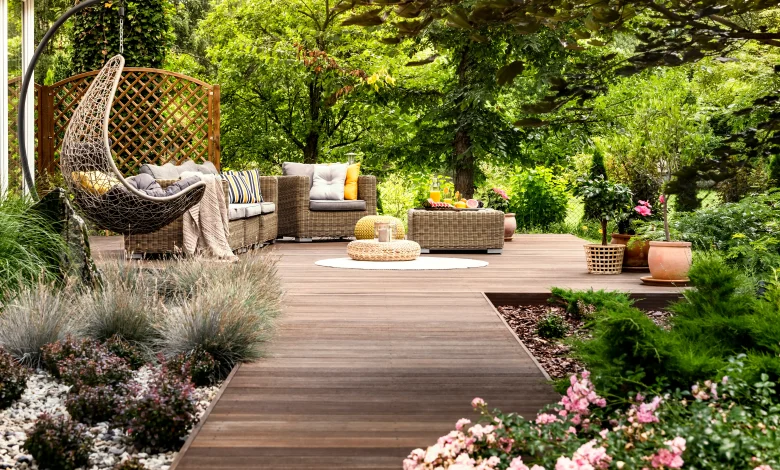
The Role of Patio Tiles in Garden Design
Patio tiles are more than just a practical surface for outdoor living areas; they are a key element in creating a cohesive and attractive garden design. The right choice of tiles can enhance the look of your entire outdoor space, tying together features such as planting, furniture, and landscaping. By carefully considering style, colour, texture, and layout, homeowners can create a patio that complements their garden and feels like a natural extension of the home.
Matching Tiles to Garden Style
Every garden has its own character, whether it is modern and minimal, rustic and traditional, or full of colourful planting. Choosing patio tiles that suit the style of your garden will help create a unified look. For contemporary spaces, large-format porcelain tiles in neutral shades such as grey, beige, or black provide a sleek and elegant finish. In contrast, natural stone-effect tiles in warm tones work beautifully in cottage-style gardens, especially when paired with timber furniture and abundant planting.
Patterned tiles can bring a decorative touch to outdoor spaces, making them ideal for Mediterranean or Moroccan-inspired gardens. These tiles can act as a focal point, adding personality to seating or dining areas without overwhelming the overall design.
Considering Colour and Tone
Colour plays a significant role in how a patio blends with its surroundings. Neutral tiles in shades of grey or beige are versatile and suit most gardens, allowing the planting and furniture to stand out. Lighter tiles can make small patios feel more spacious, while darker tones create a dramatic contrast that works well in modern garden schemes.
It is also worth considering how the colour of the tiles will look in different lighting conditions. In the UK, where weather can be unpredictable, tiles that look good in both sunlight and shade will ensure the patio remains appealing throughout the year.
Texture and Practicality
Texture is just as important as colour when pairing patio tiles with a garden design. Tiles with a natural stone or wood effect can add warmth and complement organic garden features such as flower beds and water features. Smooth tiles provide a modern, clean look but may be less practical in wet conditions. Choosing tiles with a slightly textured surface will help prevent slipping while still achieving a stylish appearance.
The feel of the tiles underfoot should also be considered, especially if the patio will be used barefoot in summer. Porcelain tiles with a non-slip finish offer a safe and practical solution without compromising on style.
Creating Flow Between Indoors and Outdoors
One of the biggest trends in UK garden design is creating a seamless flow between indoor and outdoor living spaces. Choosing patio tiles that complement interior flooring helps achieve this look, making the garden feel like an extension of the home. Many tile ranges now include indoor and outdoor versions of the same design, allowing for a consistent look across both areas.
This approach works particularly well with bifold or sliding doors, where the same flooring continues from the kitchen or dining area onto the patio. It creates a sense of space and brings a more cohesive feel to the overall design.
Defining Zones with Tiles
Patio tiles can also be used to define different zones within a garden. For example, one type of tile can be used for a dining area, while another is used for a seating space or outdoor kitchen. Contrasting colours or patterns can create visual interest and give each area a distinct identity while maintaining a cohesive overall style.
Borders or tile inlays can further enhance the design, providing subtle divisions without the need for physical barriers. This technique is especially effective in larger gardens where multiple activities take place.
Working with Garden Features
When choosing patio tiles, it is important to consider how they will work with existing garden features. The colour of fences, pergolas, and furniture should all be taken into account to ensure a balanced look. Tiles that complement the tones of decking, planters, or even the exterior walls of the house will create a harmonious appearance.
For gardens with water features, tiles with a natural stone effect can provide a soft and organic backdrop, while more decorative tiles can highlight areas such as seating nooks or fire pits. Pairing the right tiles with these features will enhance the overall design and make the garden feel well thought out.
Practical Considerations
While aesthetics are important, practical considerations should not be overlooked. Patio tiles must be durable enough to withstand the British climate, including rain, frost, and temperature fluctuations. Porcelain tiles are a popular choice as they are resistant to staining, scratching, and water absorption. Ensuring the tiles are suitable for outdoor use will prevent future issues and reduce maintenance requirements.
It is also wise to think about upkeep. Lighter tiles may show dirt more easily, while darker ones can reveal dust and water marks. Choosing a colour and finish that suits your lifestyle and willingness to clean will help keep the patio looking its best.
Bringing Your Garden Design Together
Pairing patio tiles with your garden design is about creating a space that feels cohesive, practical, and inviting. By selecting colours and textures that complement the surrounding elements, homeowners can achieve a patio that enhances the overall appeal of their garden. Whether the goal is a sleek modern space or a charming rustic retreat, the right choice of patio tiles can transform an outdoor area into a stylish and functional extension of the home.


